Silence To Action
- Home
- Silence To Action
Silence to Action: Ending sexual and gender-based violence against children and youth with disabilities
From Fear to Empowerment
Every Child Deserves to Live Free from Violence
Children and youth with disabilities have the same right as everyone else to live free from violence, abuse, neglect and exploitation. Yet across Uganda, they remain among the least protected members of society. Stigma, harmful social and cultural norms, poverty, inaccessible services and social isolation continue to increase their vulnerability, while limiting opportunities to seek protection and justice.
For many families, these challenges are compounded by a lack of information and support. Some children with disabilities have lived for years, sometimes more than a decade, without a single visit from an organisation or government service. Violence often remains hidden, unreported and unaddressed.
UNAPD believes that this silence can and must be broken, and that silence-to-action exists to change that.
Silence to Action: From Fear to Empowerment
is UNAPD’s flagship intervention responding to sexual and gender-based violence (SGBV) affecting children and youth with disabilities. Supported by Liliane Fonds, the project is implemented under the Building Effective Networks (BEN) Programme, building on lessons, partnerships and community structures developed through UNAPD’s wider work in disability inclusion and community empowerment. The project is implemented in partnership with Sabiny Transformation Initiative (STI) in Kapchorwa and Kween, and Integrated Disabled Women Activities (IDIWA) in Iganga and Namutumba.
Rather than responding only after violence has occurred, the project focuses on prevention, empowerment, early identification, reporting, referral and strengthening community protection systems so that children and youth with disabilities can live safely, participate fully and realise their rights.
Our Approach
Silence to Action places children and youth with disabilities at the centre of the response. By working with families, communities, institutions and local governments, the project addresses the social, cultural and structural barriers that allow violence to persist while strengthening inclusive systems of protection.
Lasting protection requires strong local systems.
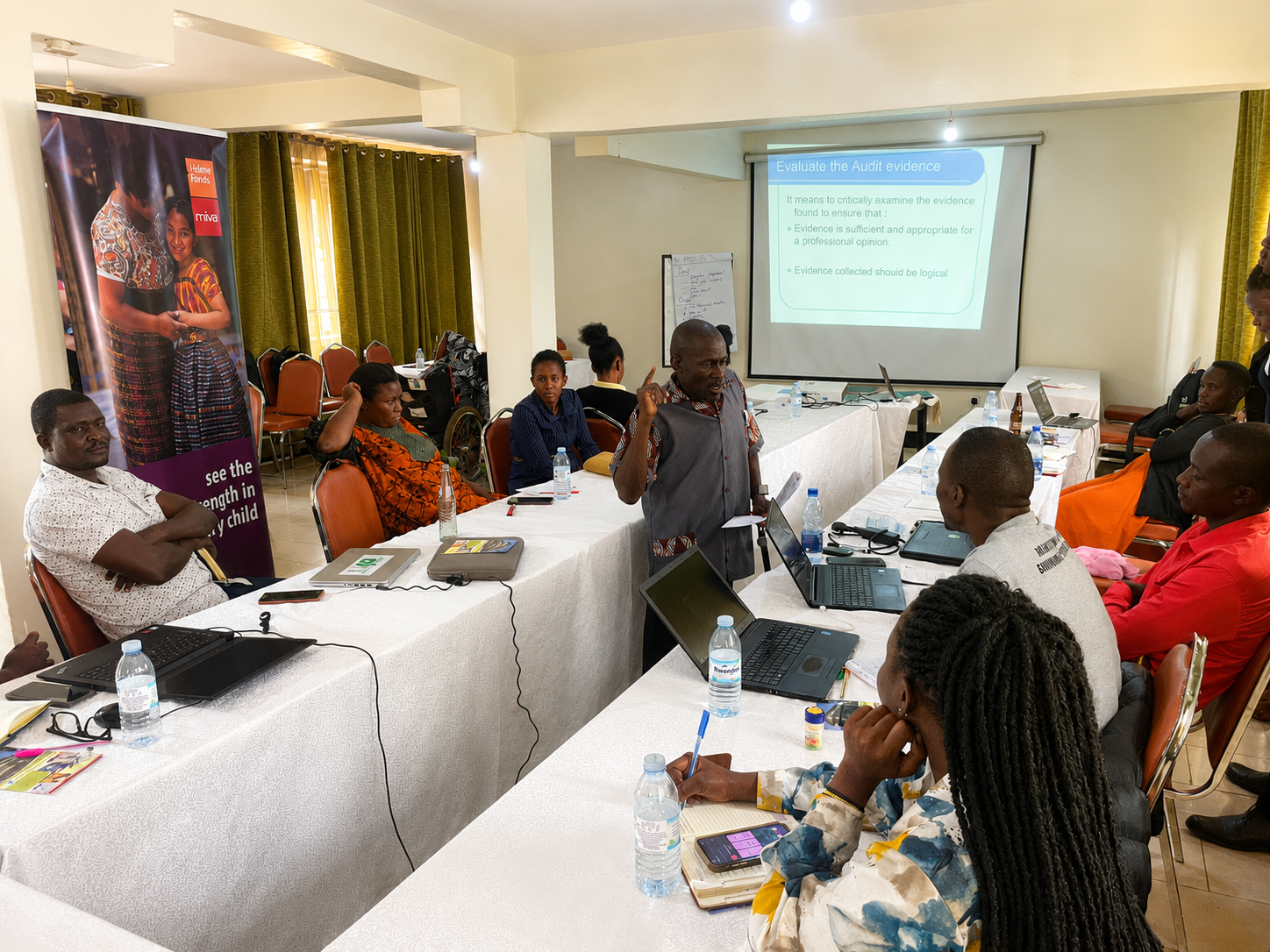
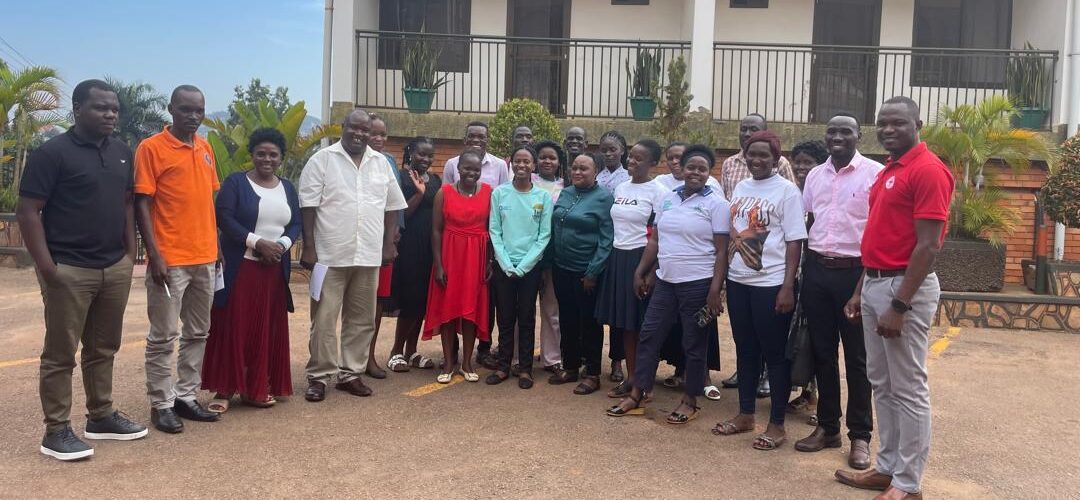
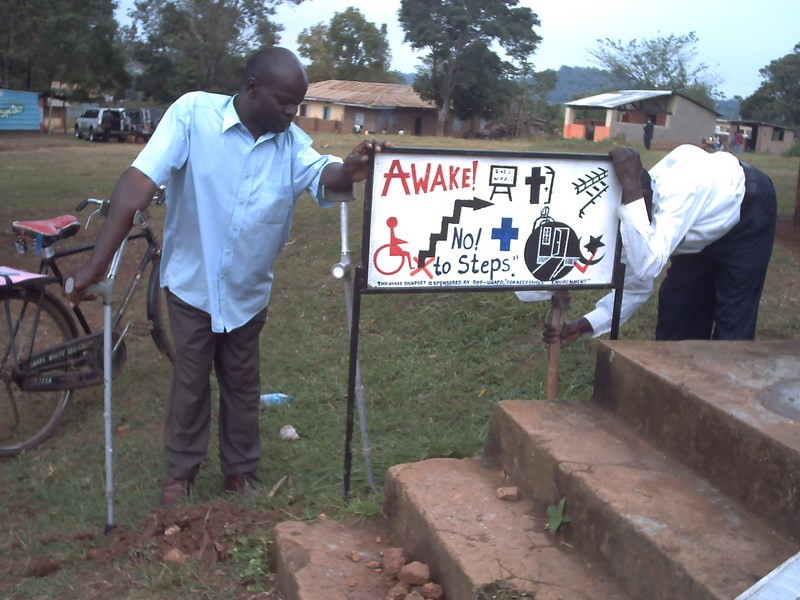
The project has established and strengthened Child and Youth Protection Committees at district and sub-county levels, bringing together caregivers, persons with disabilities, local council leaders, security officers, health workers, social workers and other community actors.
These community-based structures strengthen prevention, reporting, referral and coordinated responses to cases of violence while ensuring that children and youth with disabilities are not left behind within existing protection mechanisms.
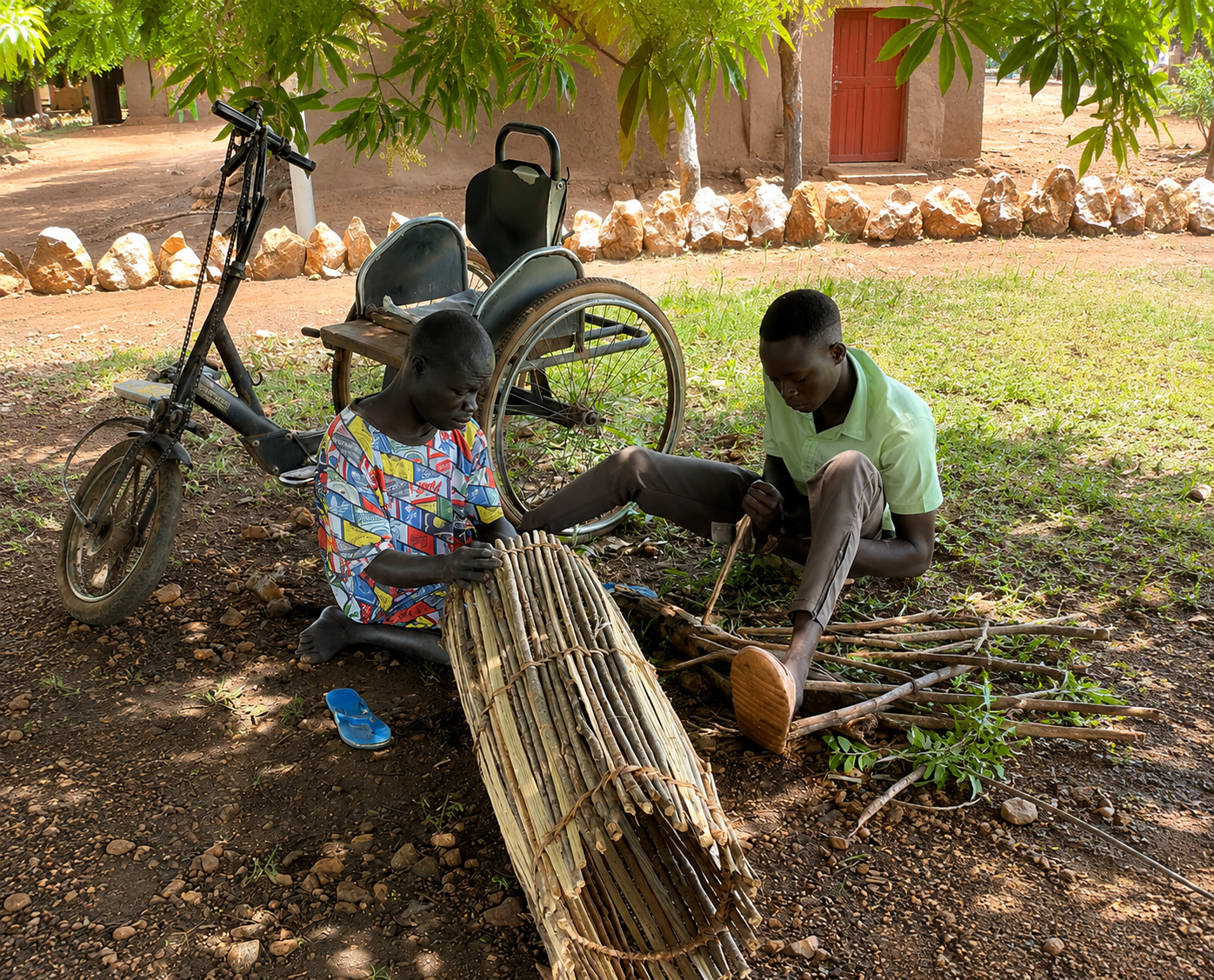
Children and youth with disabilities are not simply beneficiaries of the project; they are leaders in driving change.
The project equips them to become child protection champions and peer advocates who actively participate in community awareness efforts, promote disability rights, and encourage the reporting of violence. Their voices, experiences and leadership help shift perceptions while demonstrating that meaningful participation is essential to effective protection.
Communities play a critical role in preventing violence before it happens.
Silence to Action works with religious and cultural leaders, teachers, health workers and other trusted community members to improve their understanding of disability inclusion, recognise signs of abuse, challenge harmful social norms, promote gender equality and support survivors through appropriate referral systems.
By strengthening the capacity of those already trusted in the communities, the project helps create safer and more inclusive environments for children and youth with disabilities.
Many children with disabilities face isolation within their own homes and communities. Through home-based outreach, trained project teams visit families directly, providing guidance on disability rights, positive caregiving, family inclusion, child protection, available services and referral pathways.
These visits also strengthen relationships with caregivers, identify children who may otherwise remain invisible, and connect families to support systems that promote safety, dignity and inclusion.
Changing attitudes requires engaging entire communities.
Silence to Action uses radio talk shows and community theatre to spark conversations on disability inclusion, gender equality and the prevention of sexual and gender-based violence.
Radio programmes provide children and youth with disabilities an opportunity to share their experiences and perspectives, while community theatre uses storytelling to challenge stigma and encourage positive social change in accessible and culturally relevant ways.
Access to appropriate health services forms an important part of protection and recovery for survivors of violence.
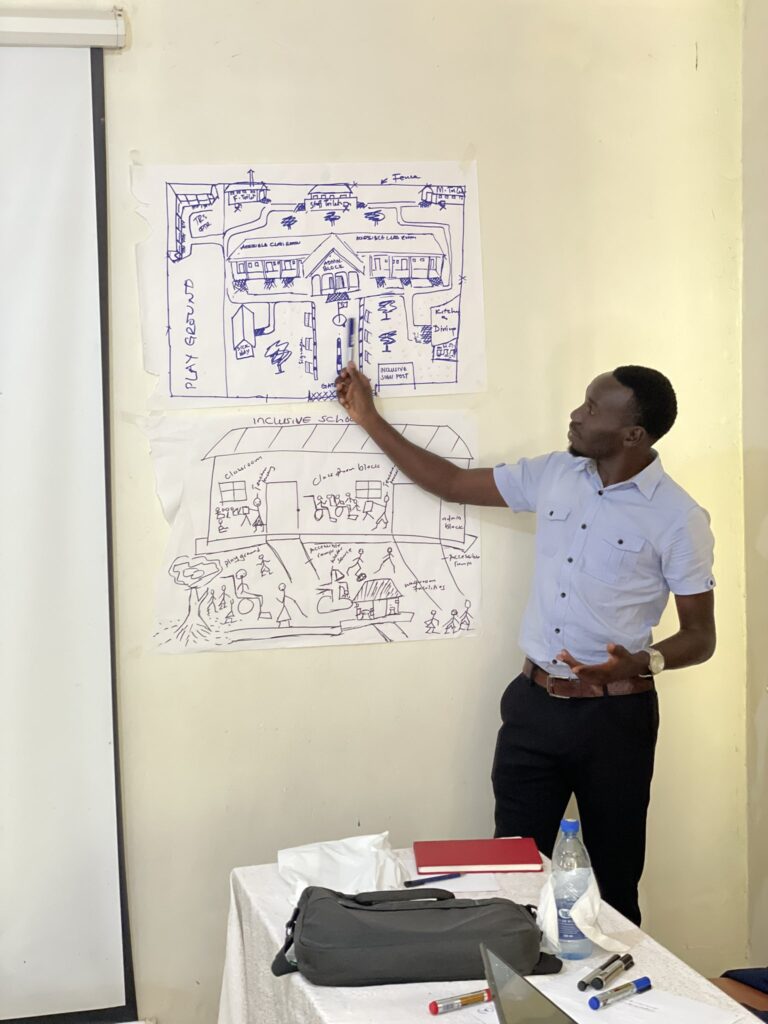
Recognising this, the project has supported disability-inclusive healthcare by installing adjustable delivery beds at Kapchorwa Main Hospital and Ngangata Health Centre III, improving access to maternal and general healthcare services for women and youth with disabilities and promoting dignity within healthcare settings.
Where We Work
Silence to Action is implemented across four districts in Eastern Uganda:
• Kapchorwa
• Kween
• Iganga
• Namutumba
These districts include some of Uganda’s most underserved communities, where children and youth with disabilities often experience multiple and intersecting barriers to protection, participation and access to services.
Rather than responding only after violence has occurred, the project focuses on prevention, empowerment, early identification, reporting, referral and strengthening community protection systems so that children and youth with disabilities can live safely, participate fully and realise their rights.
Our Impact So Far
The project is already delivering measurable results while laying the foundation for long-term systems change.
To date, Silence to Action has:
- Reached 1,278+ children and youth with disabilities, against a joint target of 2,450.
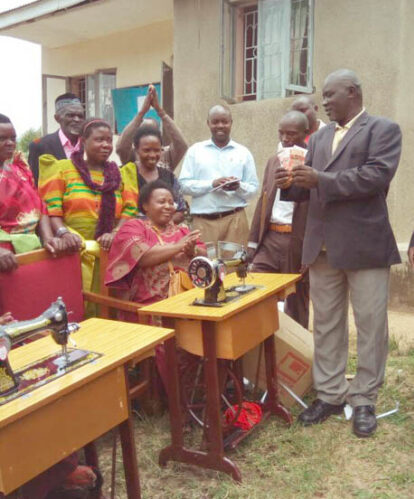
- Supported more than 1,000 caregivers with information, skills and practical guidance on protection, disability rights and family inclusion.
- Trained 171 religious and cultural leaders to support violence prevention and strengthen community protection.
- Reached 78,500 people through radio awareness programmes.
- Conducted 16 home-based outreach visits, connecting families to information, referral pathways and positive caregiving support.
- Equipped 105 teachers and 59 health workers to create safer and more inclusive schools and health facilities across 40 schools and 16 health facilities.
- Trained 1,110 caregivers and 90 youth with disabilities on gender equality, human rights and advocacy.
- Upgraded two health facilities with disability-accessible maternal healthcare equipment.
Beyond these achievements, the project is helping transform attitudes within families and communities. Caregivers report greater acceptance and inclusion of children with disabilities, improved understanding of disability rights and stronger confidence to seek support when protection concerns arise.
These changes demonstrate that lasting impact is built not only through investments and activities, but through trust, partnership and sustained community engagement.
Our Commitment

Our Commitment
Our Commitment
Our Commitment
Ending sexual and gender-based violence requires more than responding to individual cases. It requires changing systems, strengthening communities and ensuring that children and youth with disabilities are recognised as rights holders, decision-makers and leaders in shaping their own futures. Through partnerships, advocacy, community empowerment and inclusive protection systems, UNAPD remains committed to building a Uganda where every child and young person with a disability can live free from violence, participate fully in society and realise their full potential.“To stop a tree from bearing bad fruit, you do not simply cut the branches; you must go to the roots.”
Nothing About Us Without Us.
Looking Ahead
While important progress has been made, significant challenges remain.
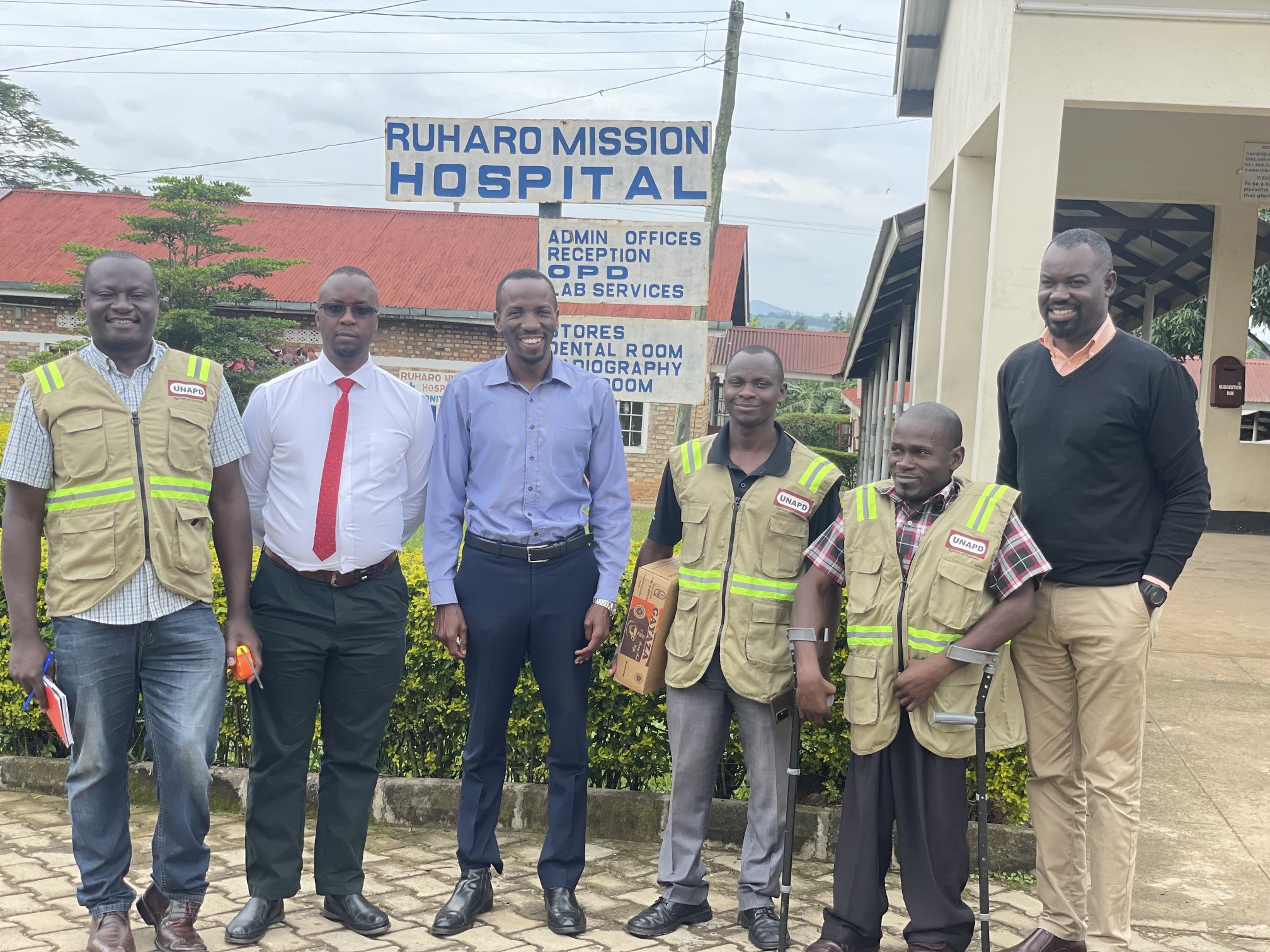
Many public facilities continue to be physically inaccessible. Specialised rehabilitation, psychosocial support and disability-inclusive services remain limited, while harmful attitudes and discriminatory social norms continue to expose children and youth with disabilities to violence and exclusion.
UNAPD is therefore working to ensure that disability-inclusive protection mechanisms become embedded within local government planning, budgeting and service delivery so they continue beyond individual project cycles and become sustainable community systems.
Looking ahead, the organisation is also exploring innovative approaches, including sport and other community-based platforms, to strengthen violence prevention, leadership and social inclusion among children and youth with disabilities.

The Uganda National Action on Physical Disability (UNAPD) is a national membership organization dedicated to advocating for the rights, dignity, and inclusion of Persons with Physical Disabilities in Uganda
Quick Links
Contact
- Plot 459, Namasole Road
- Kanyaya, Gayaza Road,
- P. O. Box 959, Kampala
- +256 (0) 414 692403
- info@unapd.org