Building Effective Networks (BEN) Program
- Home
- BEN Program
Building Effective Networks (BEN) Program
Advancing the Rights and Inclusion of Children and Youth with Disabilities
The Building Effective Networks (BEN) Program is a multi-year consortium program being implemented in Uganda from 2024 to 2028 with funding support from Liliane Fonds and MIVA Netherlands. The program aims to strengthen networks of Organisations of Persons with Disabilities (OPDs), mainstream organisations, and other stakeholders to promote the rights, inclusion, participation, and well-being of children and youth with disabilities and their caregivers.
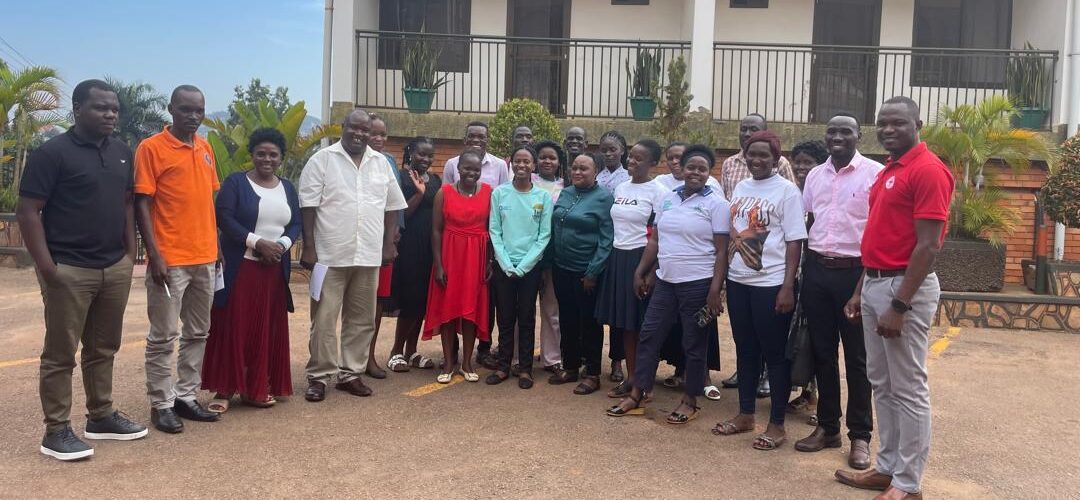
The program is implemented across three regions of Uganda – Eastern, Northern, and Central – through a network of more than 18 partner organisations. The program brings together organisations with different areas of expertise and experience, enabling them to work collaboratively to improve access to services, strengthen disability rights advocacy and create more inclusive communities.
Program Management
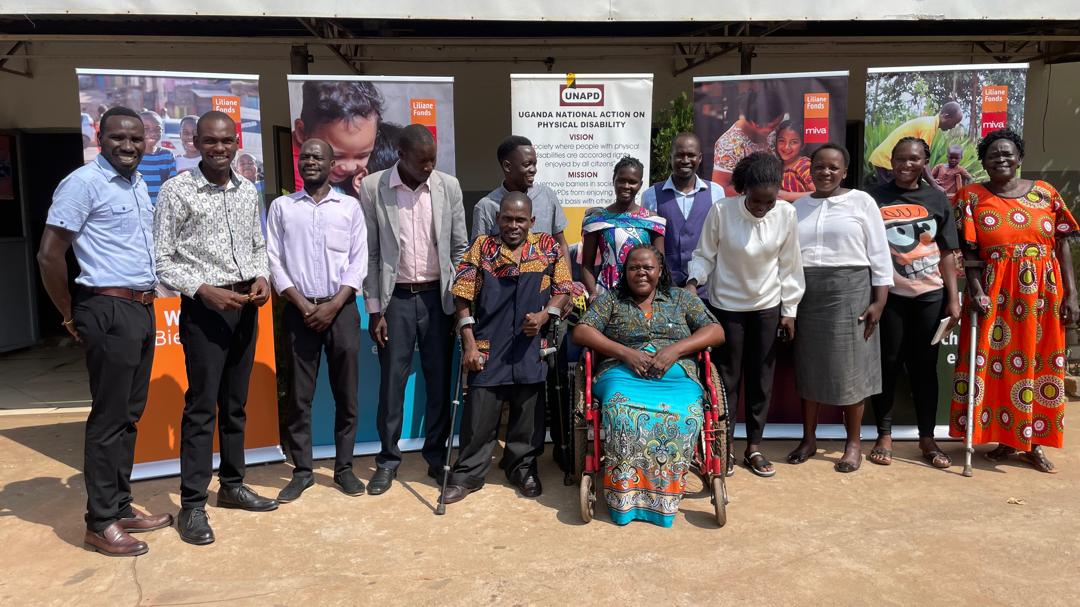
The BEN Program is implemented through a Program Management Unit (PMU) comprising Katalemwa Cheshire Home (KCH) and the Uganda National Action on Physical Disability (UNAPD).
Katalemwa Cheshire Home serves as the Grants Lead/Manager and Community-Based Rehabilitation (CBR) Lead, providing leadership in community-based rehabilitation, partner support and grants management.
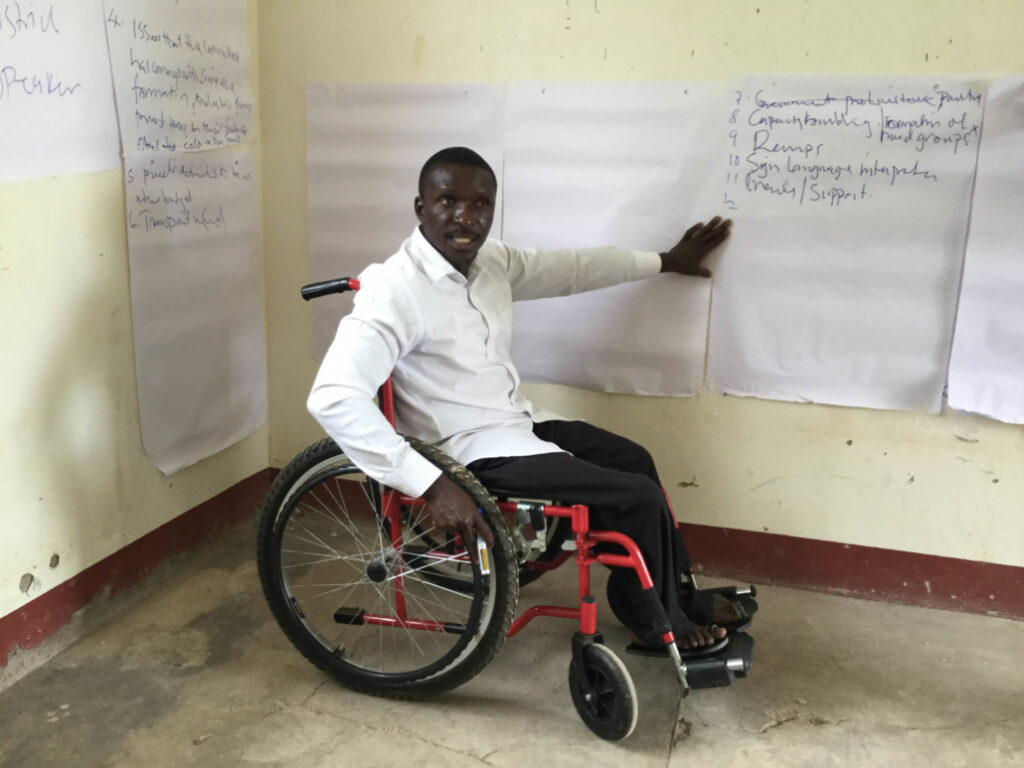
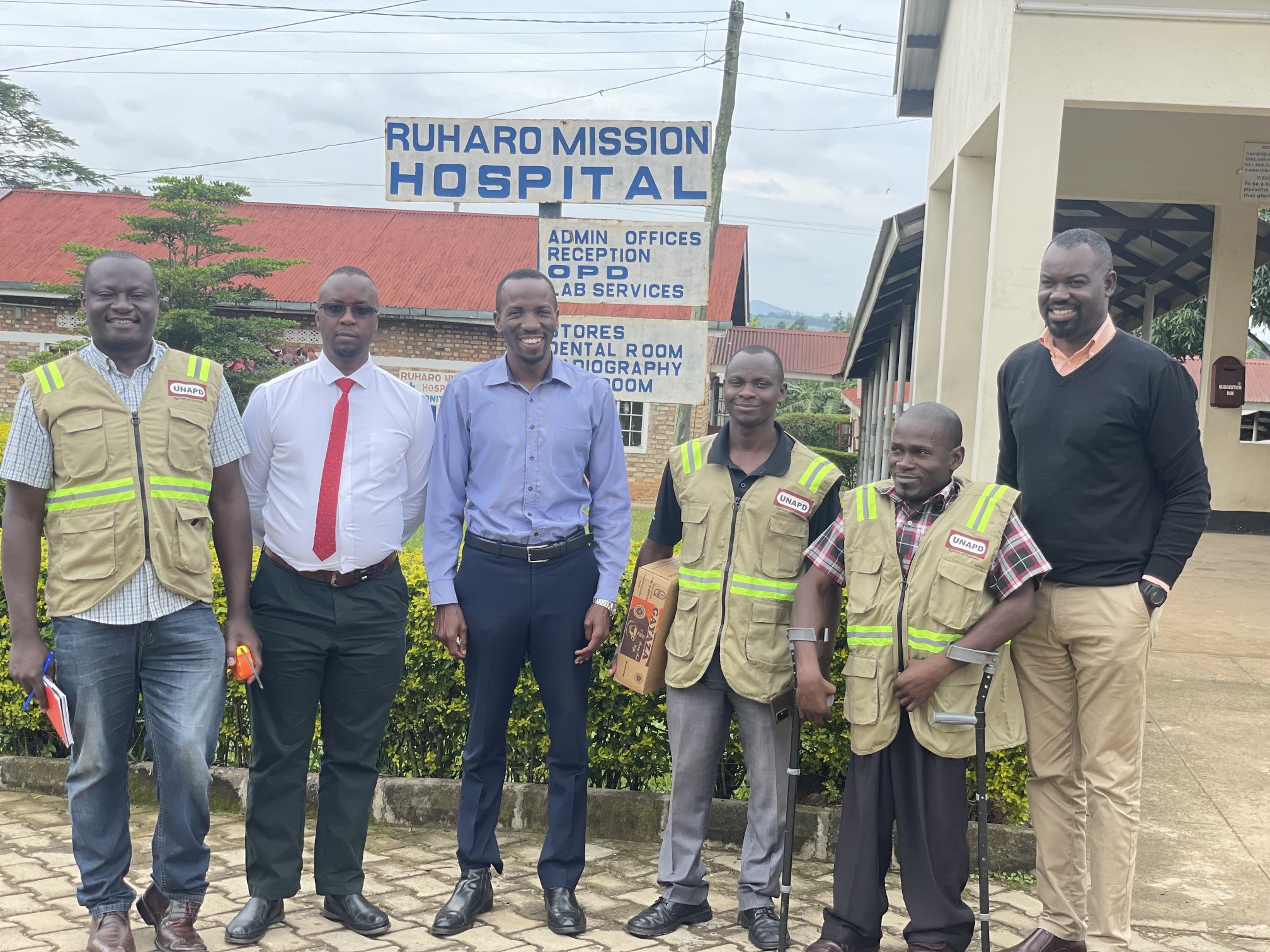
UNAPD leads the Advocacy component of the program, supporting partners to strengthen their advocacy capacity, engage duty bearers, influence policies and systems, and promote the meaningful participation of persons with disabilities in decisions that affect their lives.
Together, UNAPD and KCH facilitate and strengthen the BEN network, support partners to implement their multi-annual plans, promote learning and collaboration, and monitor progress towards the overall program results.
Program Purpose
The purpose of the BEN Program is: To advance the rights of children and youth with disabilities by addressing the underlying structures, systems and norms that perpetuate discrimination, exclusion, exploitation, dehumanisation and other harmful practices against children and youth with disabilities and their caregivers.
The program recognises that meaningful inclusion of children and youth with disabilities requires more than providing individual services. It requires changes in attitudes, systems, policies, practices and community structures that continue to create barriers to participation and equal opportunities.
The program is implemented across three regions of Uganda – Eastern, Northern, and Central – through a network of more than 18 partner organisations. The program brings together organisations with different areas of expertise and experience, enabling them to work collaboratively to improve access to services, strengthen disability rights advocacy and create more inclusive communities.
Where We Work
The BEN Program is implemented through partner organisations in three regions:
• Gulu Union of Women with Disabilities (GUWODU)
• AVSI Foundation Uganda – Gulu Office
• Link to Progress (LTP)
• Women and Children First Organization (WACFO)
• Literacy and Adult Basic Education (LABE)
• Albinism Umbrella Uganda (AAU)
• Umbrella Cerebral Palsy Network Association (UCPNA)
• Youth with Physical Disabilities Development Forum (YPDDF)
• Namutamba Rehabilitation Centre (NRC)
• Association of Disabled Persons Living with HIV/AIDS (ADPHA)
• Every Child Ministries Uganda (ECM)
• Uganda Society for Disabled Children (USDC)
• The Sisters of the Immaculate Heart of Mary Reparatrix – Ggogonya (IHMR)
• Sabiny Transformative Initiative (STI)
• Integrated Disabled Women Activities (IDIWA)
• Kumi Hospital (KH)
• Bengo Center for Inclusion (BCI)
• Benedictine Eye Hospital Tororo (BEH)
Key Thematic Areas
The BEN Program is implemented around five interconnected thematic areas:
A Network-Based Approach
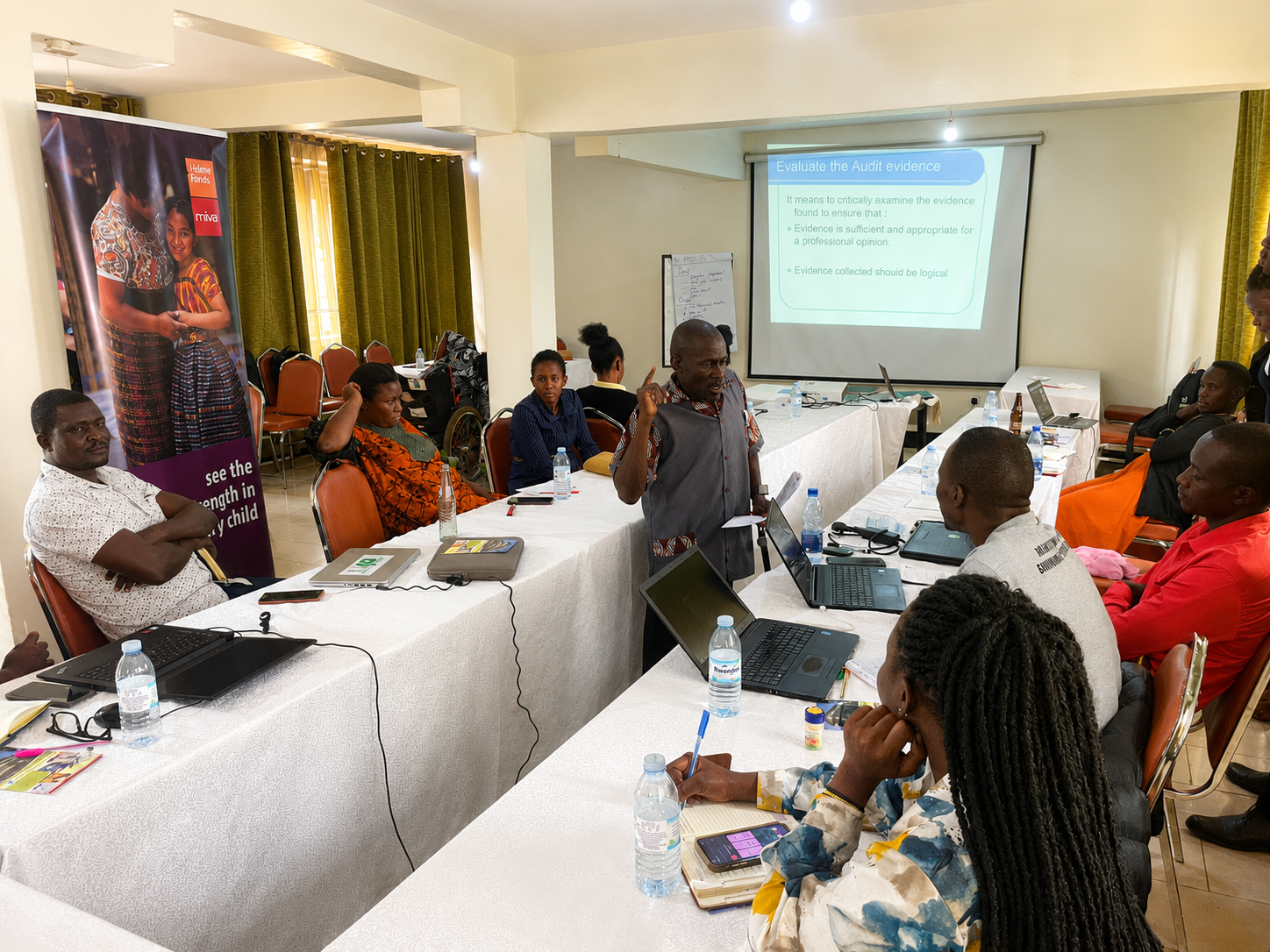
A key strength of the BEN Program is its network-based approach. Rather than organisations working in isolation, the program brings partners together to learn from each other, share experiences, coordinate interventions and advocate collectively for disability rights.
Partners develop Multi-Annual Plans (MAPs) that guide the implementation of activities within their respective areas. These plans are implemented by the partners and monitored and supported by the Program Management Unit.
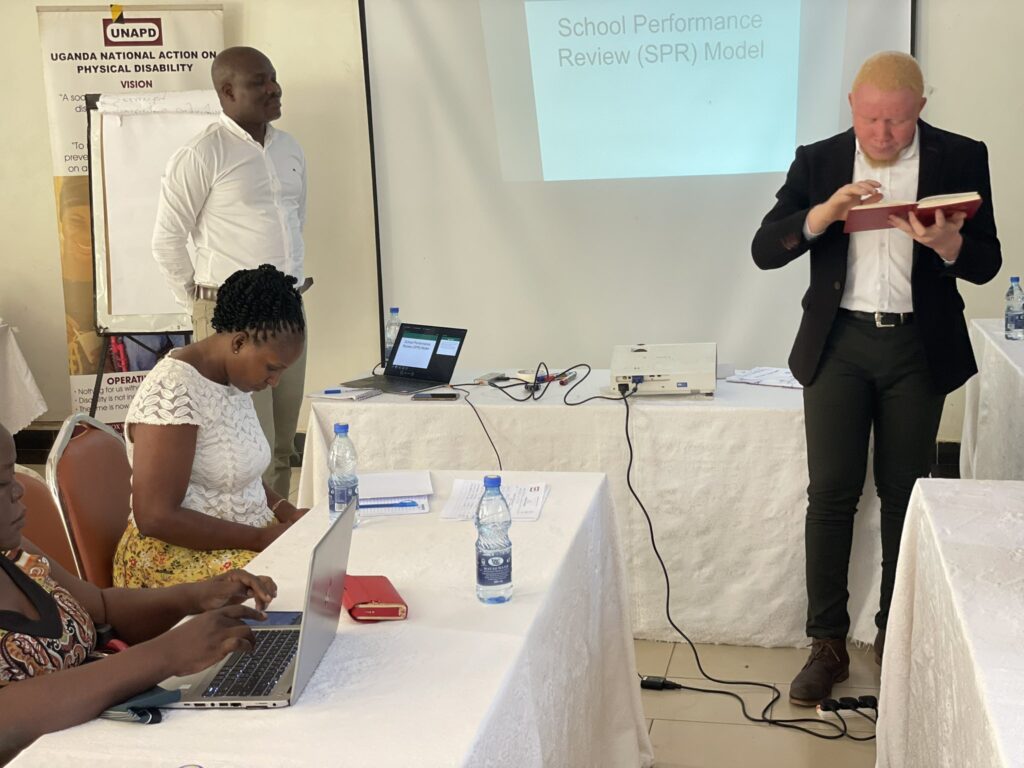
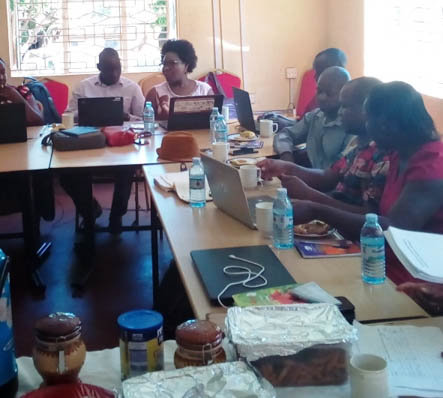
UNAPD and KCH contribute to effective and efficient program delivery by facilitating the network, strengthening partner capacity and supporting partners in areas including advocacy, community-based rehabilitation, organisational development, monitoring, learning and collaboration
Meaningful Participation of Youth
An important development under BEN has been the strengthening of youth participation and leadership. Youth networks and structures are being established to create spaces where young people with disabilities can articulate their concerns, participate in decision-making and contribute to advocacy.
This reflects the principle of:
“Nothing About Us Without Us.”
The program recognises that children and youth with disabilities must be active participants in shaping the policies, programs and services intended to support them.
Emerging Results and Successes
Since the start of the BEN Program, a number of positive changes have been observed across the partner network and communities.
More organisations are reaching children and youth with disabilities
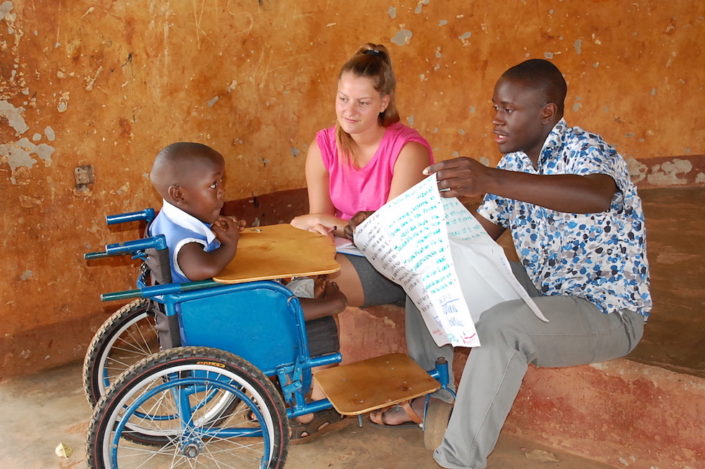
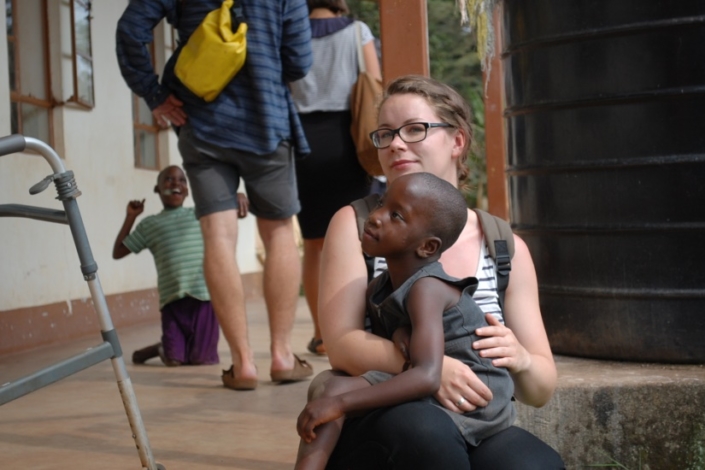
The program has expanded the number and capacity of organisations delivering disability-inclusive interventions. Through the BEN network, more children and youth with disabilities and their caregivers are being identified, reached and supported with services.
Changing perceptions of children with disabilities
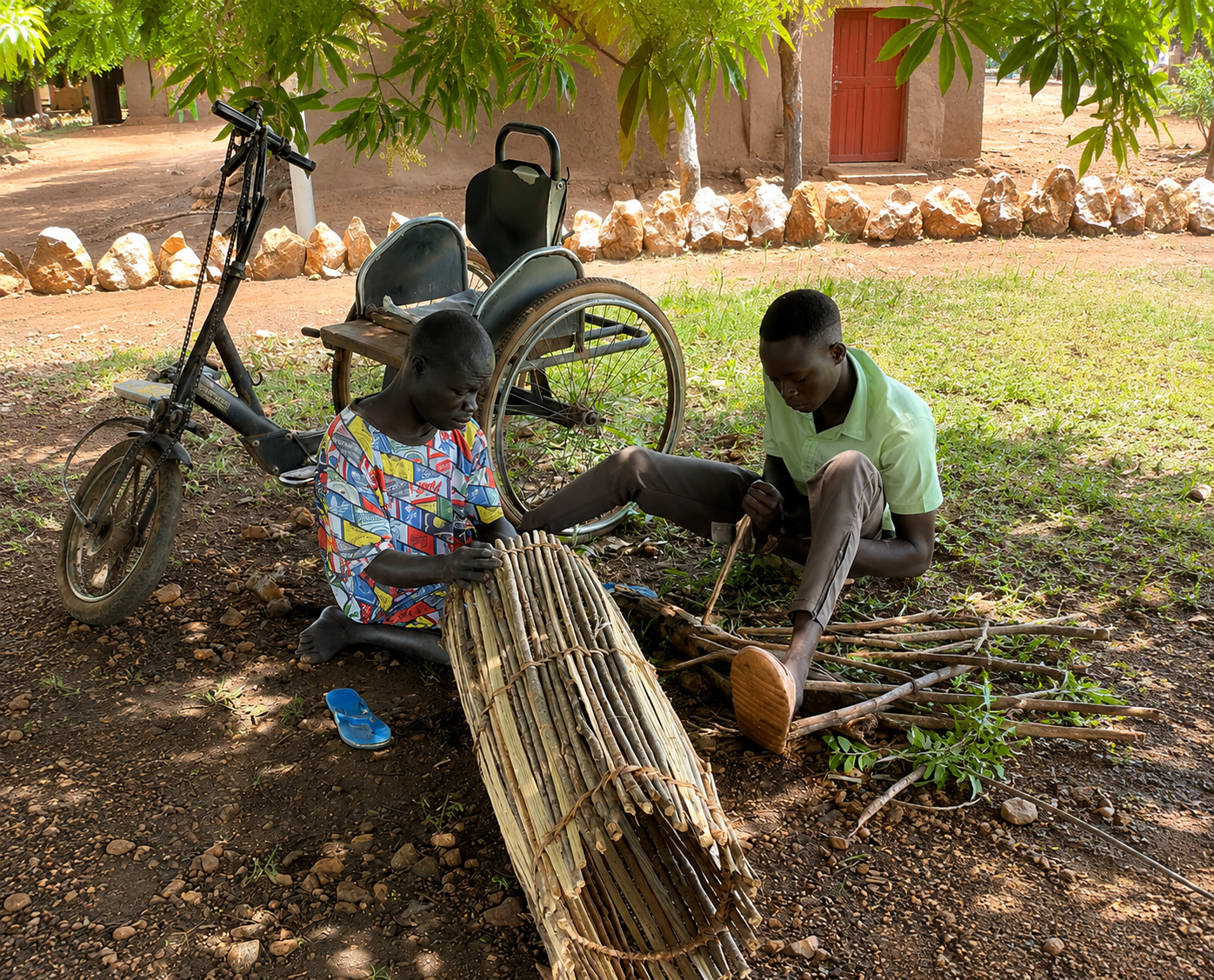
Through community-based rehabilitation and awareness interventions, parents and caregivers are increasingly recognising the abilities and potential of their children with disabilities. Instead of seeing disability primarily through the lens of limitation, families are beginning to recognise what children can achieve when they receive appropriate support and opportunities.
Increased access to government programs
More caregivers and families of children with disabilities are being supported to understand and access government programs intended to improve household welfare and support vulnerable families. Partners are playing an important role in linking families to available government services and opportunities.
More responsive local governments
The program is contributing to stronger engagement between OPDs, service providers and local governments. In several areas, persons with disabilities and their organisations are increasingly holding service providers and duty bearers accountable for the delivery of inclusive and accessible services.
Increased demand for equity and equality
Persons with disabilities and their representative organisations are increasingly demanding equal opportunities, equitable access to services and meaningful participation in community and development processes. This growing movement is strengthening disability advocacy at local, regional and national levels.
Improved access to rehabilitation
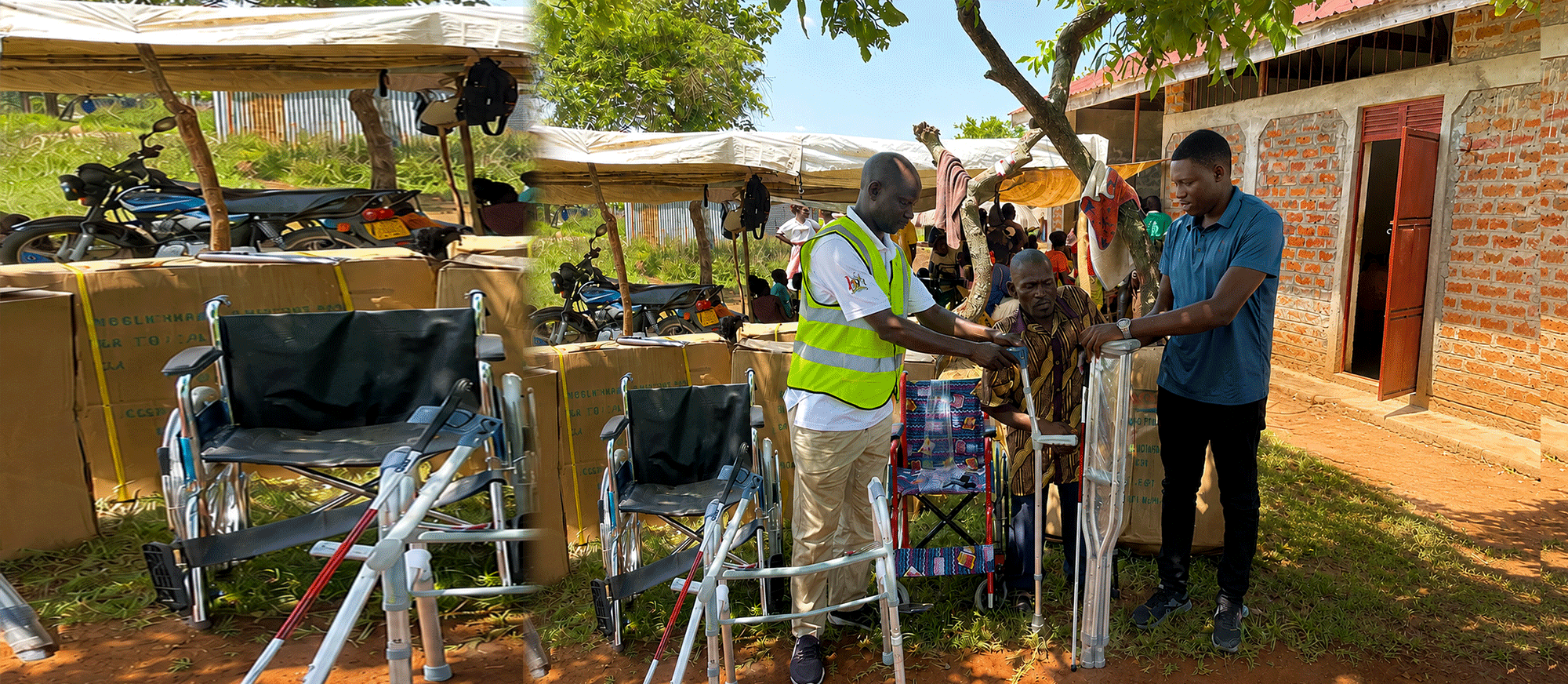
Collaboration among BEN partners has enabled the identification and referral of more children and youth who require specialised rehabilitation interventions, including rehabilitative surgeries. These interventions have contributed to improvements in mobility, independence, participation and quality of life for children and young people with disabilities.
Stronger regional networks
At regional level, organisations implementing BEN are increasingly working together, sharing experiences and identifying common advocacy priorities. These networks provide opportunities for organisations to learn from one another and amplify their voices around shared disability rights concerns.
Growing youth leadership
Youth networks have been established to strengthen the participation and leadership of young persons with disabilities. These structures are creating opportunities for young people to influence programs, participate in advocacy and contribute to decisions affecting their lives and communities.
Stronger national-level advocacy
At the national level, UNAPD continues to work with OPDs and other stakeholders to advance disability-inclusive policies and programs. One emerging result of this collective advocacy is the Government's allocation of UGX 15 billion towards the Child Disability Benefit in its first phase, an important step towards strengthening social protection for children with disabilities and their families.
Looking Ahead
The BEN Program continues to build a stronger and more connected disability movement in Uganda. Through collaboration between OPDs, mainstream organisations, government institutions, communities, children and youth with disabilities and their caregivers, the program seeks to contribute to lasting changes in the systems, structures and attitudes that create exclusion.
UNAPD, together with KCH and the BEN partner network, will continue to strengthen organisational capacity, promote meaningful participation, advance advocacy and improve access to inclusive services.
The ultimate ambition is a Uganda where children and youth with disabilities are recognised, included, empowered and able to enjoy their rights and participate fully in society
Quick Links
Contact
- Plot 459, Namasole Road
- Kanyaya, Gayaza Road,
- P. O. Box 959, Kampala
- +256 (0) 414 692403
- info@unapd.org