Start donating poor people

Humanitarian Action Program

Image
Image

Humanitarian Action Program

Humanitarian Action

Responding to Emergencies, Advancing Inclusion and Building Resilience

Persons with disabilities are often among the most affected during humanitarian emergencies. Disasters, conflict, displacement, and other crises can increase existing barriers to accessing basic services, livelihoods, protection and participation in community life. UNAPD believes that humanitarian action must therefore be inclusive and responsive to the specific needs of persons with disabilities.

Uganda National Action on Physical Disability (UNAPD) began its humanitarian action in 2017, following the devastating mudslides in Bududa District in Eastern Uganda. UNAPD responded by conducting a survey to understand the risks, challenges and barriers faced by persons with disabilities affected by the disaster. The assessment highlighted the particular vulnerabilities of persons with disabilities during emergencies and the need for humanitarian responses to deliberately include disability considerations.

This experience marked an important step in UNAPD's humanitarian journey and strengthened the organisation's commitment to ensuring that persons with disabilities are not left behind during emergencies and displacement.

Expanding Humanitarian Action to Refugee Settlements

Following its initial response to the Bududa mudslides, UNAPD expanded its humanitarian work to refugee settlements in West Nile, where large numbers of refugees and host communities face significant socio-economic challenges.

UNAPD's humanitarian programming in West Nile began with a comprehensive needs assessment in Rhino Camp Refugee Settlement. The assessment sought to identify the gaps and barriers affecting the social and economic inclusion of persons with disabilities living in the refugee settlement and surrounding host communities.

The findings revealed that persons with disabilities faced multiple barriers, including limited access to livelihoods, inadequate opportunities for skills development, limited participation in community structures, stigma and discrimination, and challenges accessing services and support systems.

The findings from the needs assessment informed the development of UNAPD's first pilot humanitarian livelihoods intervention in the area:

“Inclusive Livelihoods for Persons with Disabilities in Rhino Camp Refugee Settlement.”

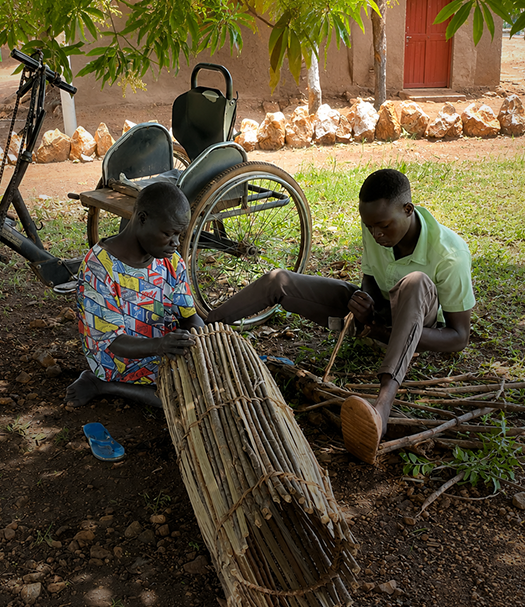
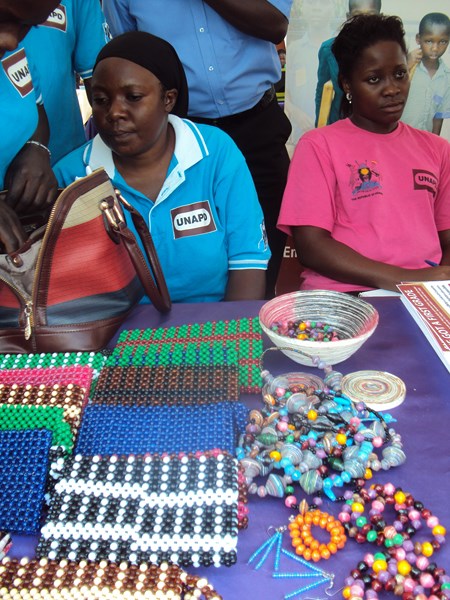
The project focused on the Omugo and Ocea zones of Rhino Camp Refugee Settlement and the host communities of Terego and Madi-Okollo Districts. It sought to promote self-reliance, social inclusion and sustainable socio-economic opportunities for persons with disabilities and their caregivers.

Inclusive Livelihoods in Rhino Camp

The Rhino Camp intervention was implemented through a consortium bringing together organisations with complementary expertise in disability inclusion, advocacy, livelihoods, humanitarian response and community development.

The consortium included:

The consortium worked under the broad approach of “Self-reliance, inclusion and socio-economic development of persons with disabilities,” with a strong commitment to leaving no one behind.

UNAPD brought its experience in disability rights, advocacy, community mobilisation, accessibility and livelihoods, while consortium partners contributed expertise in visual disability, humanitarian response, community development and international cooperation.

Why Inclusive Humanitarian Action Matters

For persons with disabilities living in refugee settlements and host communities, displacement can compound existing inequalities. Limited access to land, employment, financial resources, information and community support can make it particularly difficult for persons with disabilities to achieve self-reliance.

UNAPD's approach recognises that humanitarian assistance should go beyond meeting immediate needs. It should also create opportunities for persons with disabilities to participate, make decisions, earn livelihoods and contribute to their communities.

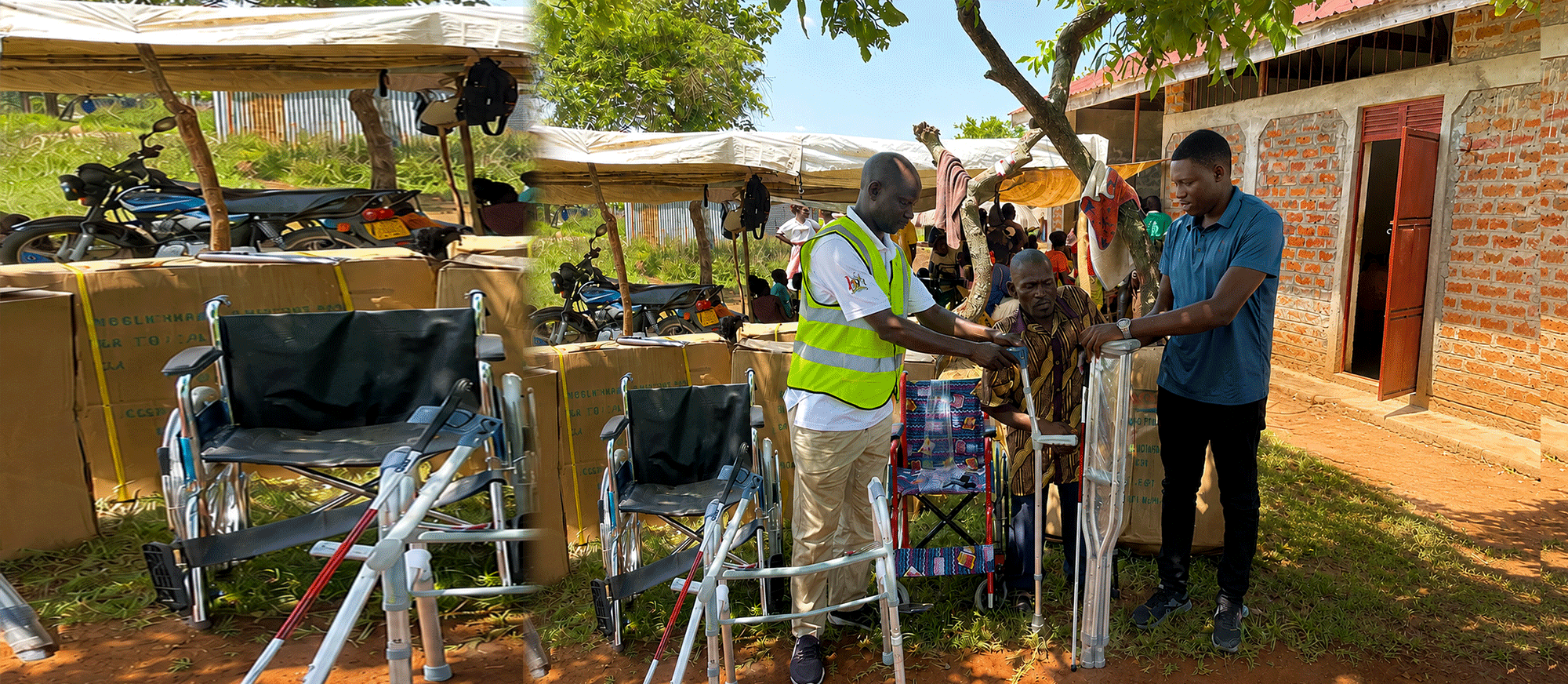
The Rhino Camp programme therefore combined livelihood development, capacity building, community mobilisation, advocacy and social inclusion. The approach sought to strengthen individual resilience while also creating more inclusive community structures.

From Vulnerability to Self-Reliance

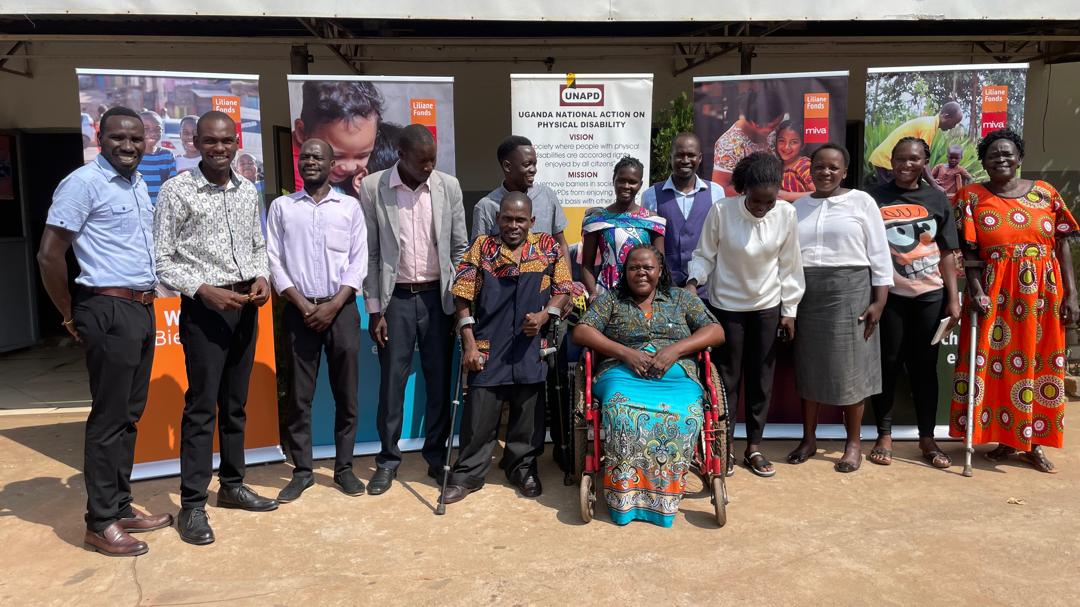
Formation of Madi-Okollo District Action on Physical Disability and Terego District Action on Physical Disability, strengthening local disability leadership and advocacy.

Registration and profiling of more than 650 persons with disabilities, generating important information on their socio-economic circumstances and livelihood needs.

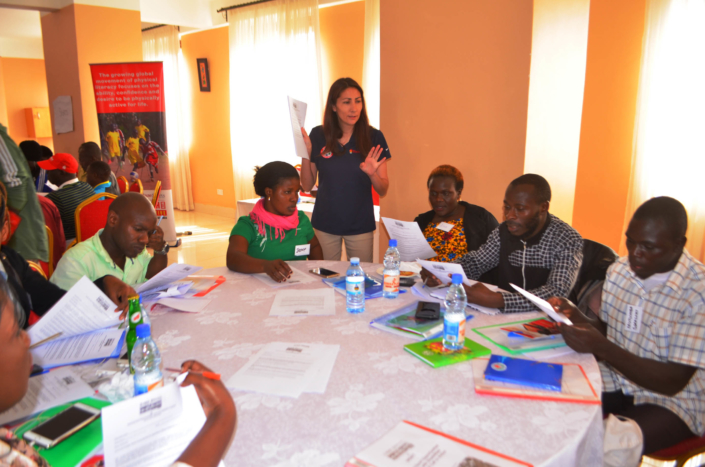
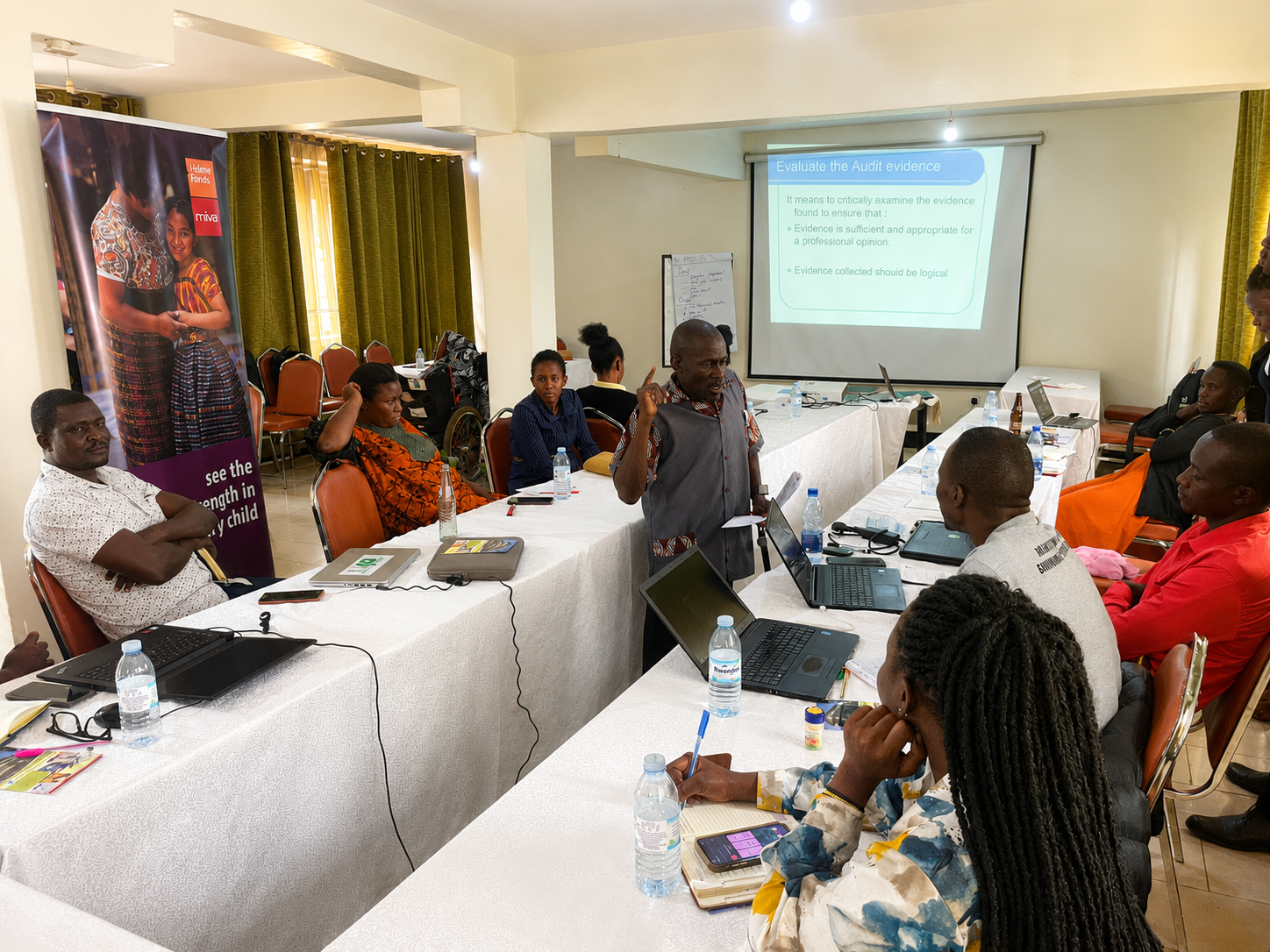
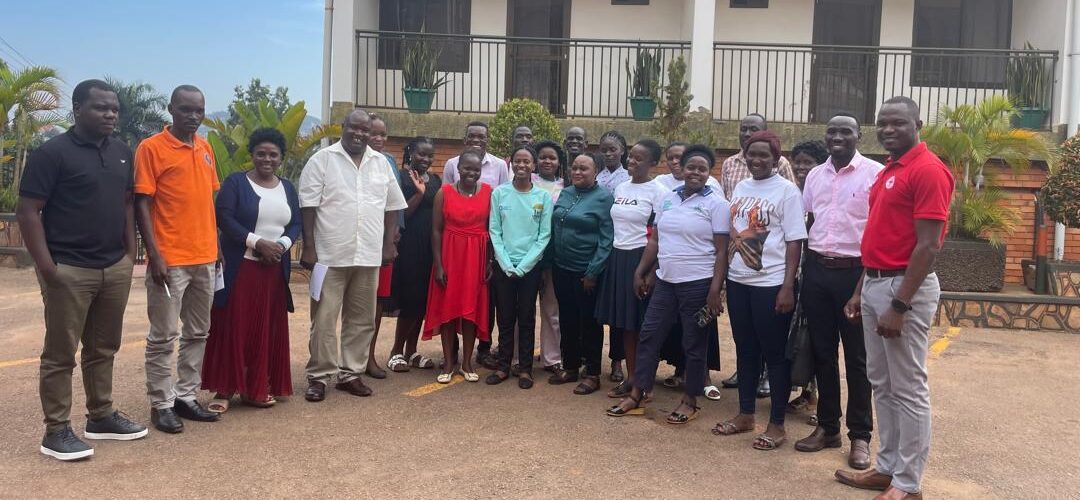
Training of 450 persons with disabilities and caregivers on disability rights, responsibilities and participation.

.

Our Humanitarian Approach

UNAPD's humanitarian action is guided by the principle that persons with disabilities must be active participants in humanitarian responses, not passive recipients of assistance. Our approach focuses on:

Ensuring that the needs and rights of persons with disabilities are considered throughout humanitarian planning and implementation.

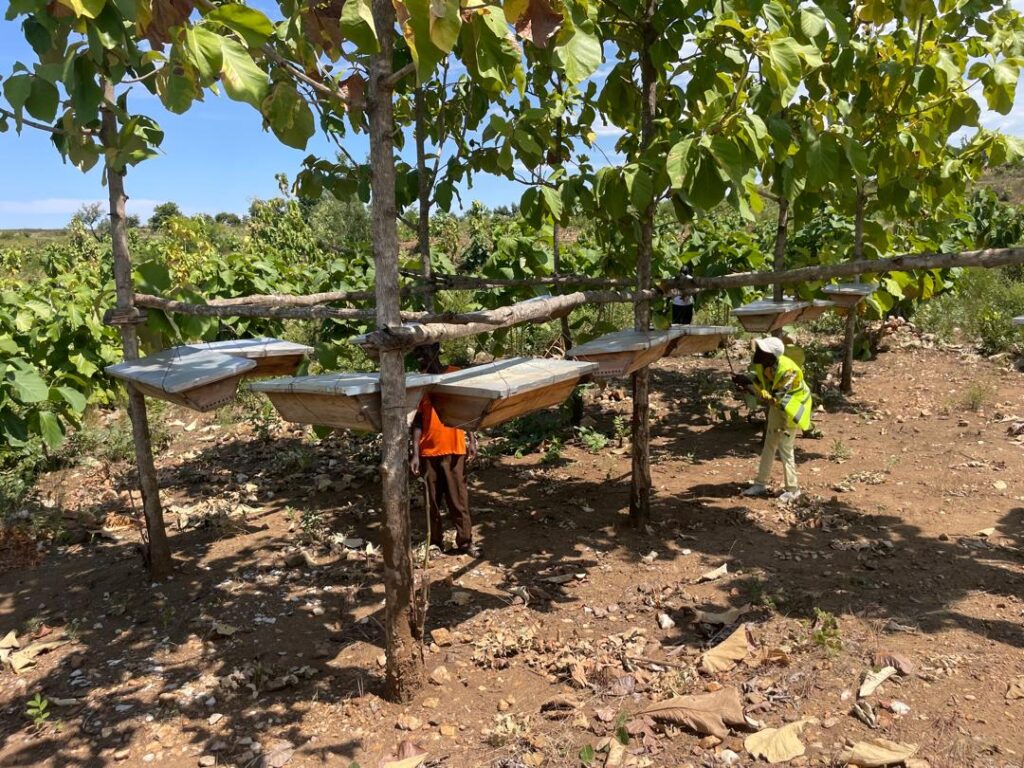
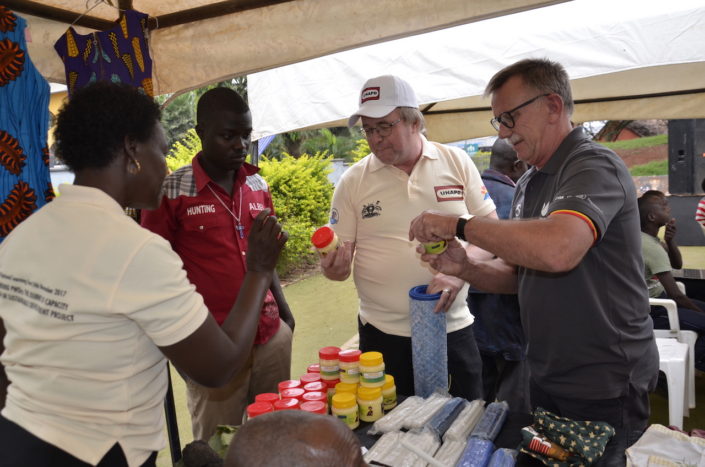
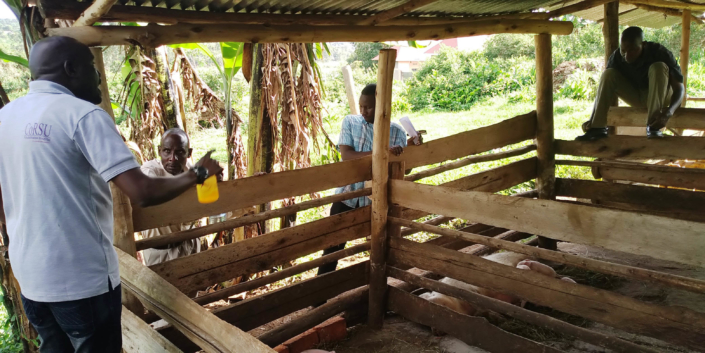
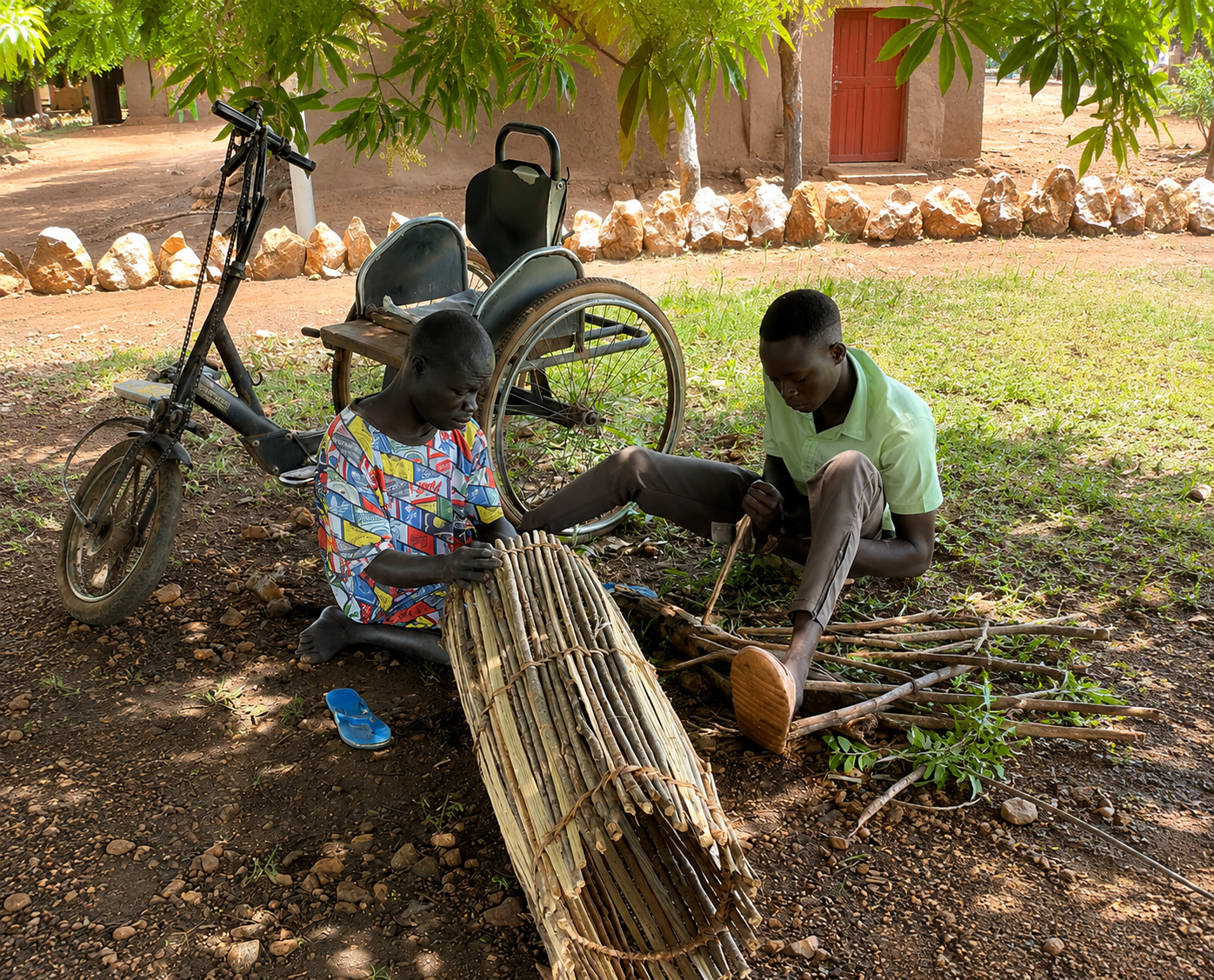
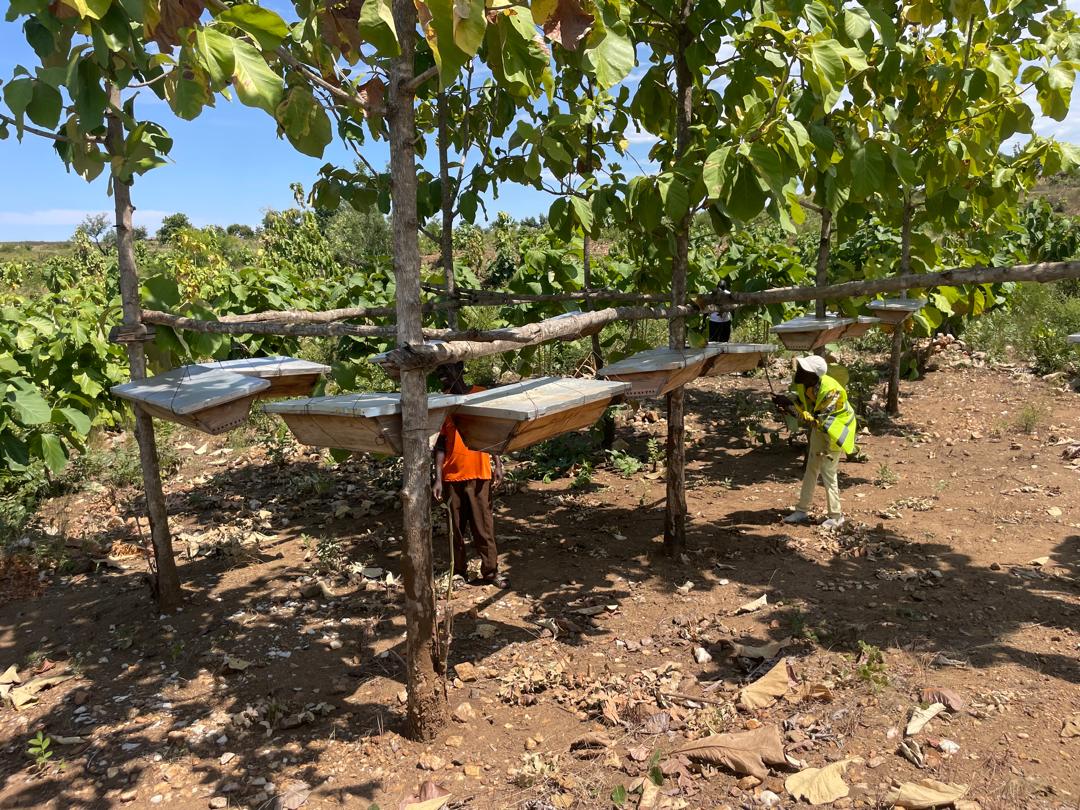
Supporting persons with disabilities and their caregivers to develop sustainable income-generating activities and reduce dependency.

Strengthening local organisations and community structures so that persons with disabilities can participate in decisions that affect their lives.

Working with government, humanitarian actors and communities to address systemic barriers and promote the rights of persons with disabilities.

Working with organisations with complementary expertise to ensure that humanitarian interventions are comprehensive, coordinated and sustainable.

Using assessments, community information and lessons from implementation to identify barriers and design interventions that respond to the actual needs of persons with disabilities.

Building Resilient and Inclusive Communities

UNAPD's humanitarian journey has demonstrated the importance of combining immediate humanitarian support with longer-term approaches to resilience and inclusion.

The experience from Bududa and Rhino Camp continues to inform UNAPD's approach to humanitarian programming. By placing persons with disabilities at the centre of humanitarian action, UNAPD works to ensure that emergency responses contribute not only to survival, but also to dignity, participation, self-reliance and long-term inclusion.

UNAPD will continue to work with the government, humanitarian agencies, Organisations of Persons with Disability (OPDs) , development partners, and communities to ensure that persons with disabilities are visible in humanitarian planning and that no one is left behind during emergencies, displacement, and recovery.

Partnerships for Impact

UNAPD recognises that effective humanitarian action cannot be achieved by one organisation alone. Partnerships are central to creating sustainable impact.

Through collaboration, knowledge sharing, capacity building and joint advocacy, UNAPD works with partners to strengthen disability-inclusive humanitarian programming and create opportunities for persons with disabilities to rebuild their lives and contribute to their communities.

Our goal is simple: humanitarian action that sees persons with disabilities, listens to them, includes them and creates opportunities for them to thrive.

The Uganda National Action on Physical Disability (UNAPD) is a national membership organization dedicated to advocating for the rights, dignity, and inclusion of Persons with Physical Disabilities in Uganda

Contact

© 2026 UNAPD. All Rights Reserved.